How to Choose a Mobile Software Development Company
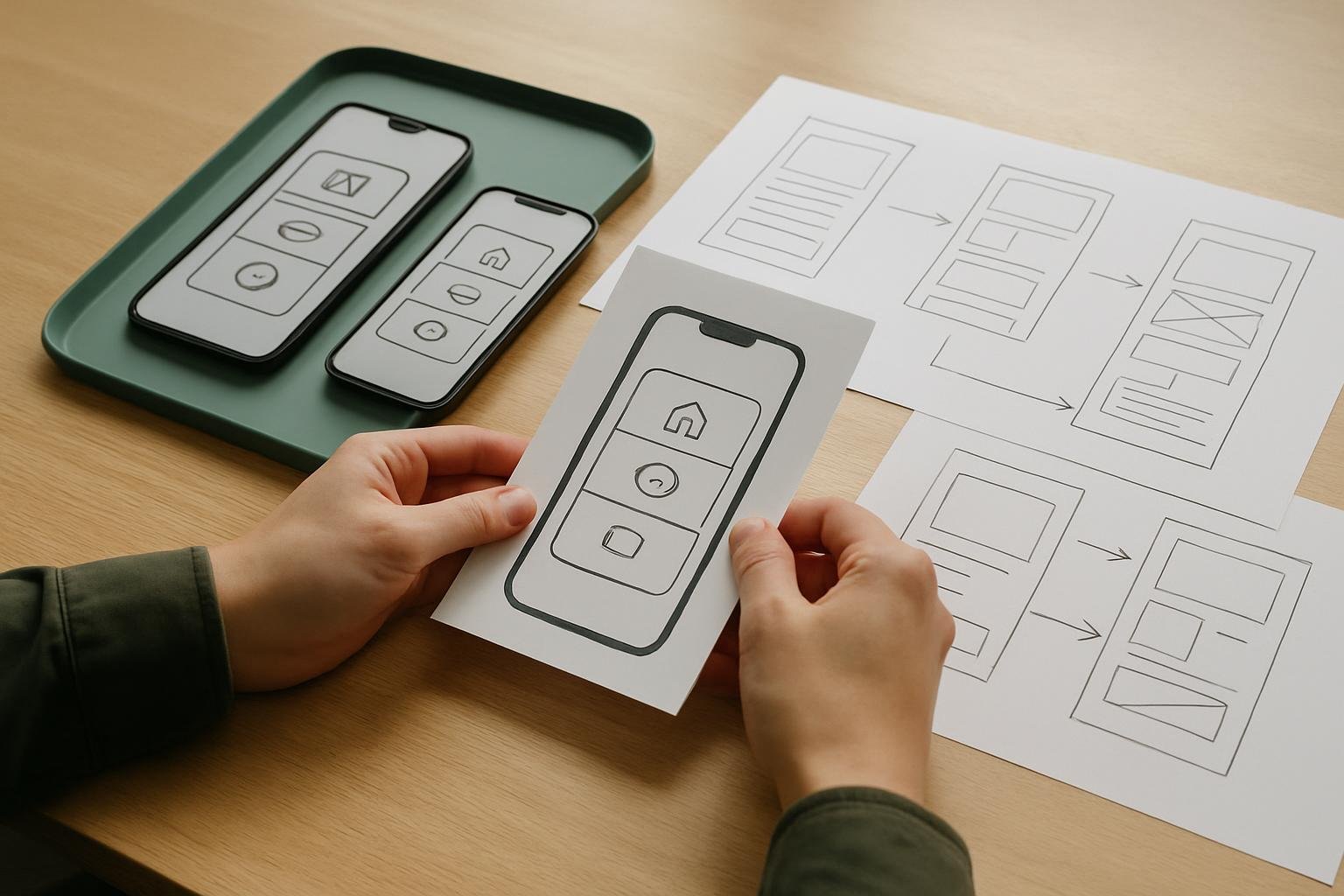
If you are looking for a mobile software development company, the first thing to check is whether you need a mobile app at all. In some cases, a responsive website, customer portal or bespoke web application is the better fit. A good supplier should help you choose the right build, manage risk and support the product over the long term, rather than push straight to development.
What a mobile software development company should help you decide
Before any supplier starts talking about features, screens or frameworks, they should test the business case. Some projects genuinely need a mobile app for iOS and Android. Others are better served by software that works in the browser, connects to existing systems or proves the idea before more money goes in.
- A mobile app may make sense when people need regular use on their phone, access to device features or a smoother experience than a browser can provide.
- A web app may be the better option when access across devices matters more than app store distribution.
- A responsive website may be enough when the main need is information, enquiries or straightforward transactions.
- An MVP can be the sensible first step when demand still needs proving.
Look for product judgement, not just app coding
The strongest partner is not simply a team that can code an app. You need people who can challenge unclear requirements, explain trade-offs and focus on what the product actually needs. That matters even more when budget is limited or the idea has not yet been tested with real users.
What to check before you hire
- Discovery and scoping. Ask how the project will be defined before development begins.
- Technical fit. The build approach should follow the commercial need, not the other way round.
- Support after launch. A mobile product still needs ownership when real users start relying on it.
- Integration thinking. If the app depends on internal systems, customer data or third-party services, the supplier should plan for that early.
- Honest communication. A reliable supplier should explain uncertainty and options, not pretend software delivery is frictionless.
Should you build in-house or use an external partner?
That depends on how central the product is to your business and whether you already have the leadership to run a software team. An external partner can make sense when the work is complex, specialist or needs to move before permanent recruitment is realistic. Internal teams can work well when software is core to the business and the roadmap is continuous.
What FullyCoded already builds around mobile projects
FullyCoded positions its build work around digital products, internal platforms, customer portals, SaaS products, integrations and mobile apps. That matters because many app projects succeed or fail on the surrounding systems, not just the interface on the phone.
A practical next step
If you are weighing up a mobile app against a web app, portal or broader software product, start with the build team rather than forcing an app brief too early. FullyCoded’s build service sets out the wider options, from discovery through to launch and ongoing support. If that sounds close to what you need, review the Build service and decide whether the first conversation should be about the app itself or the business problem behind it.